```html
Plan Your Ultimate Ski Trip: The Definitive Guide to Stress-Free Mountain Adventures
Plan Your Ultimate Ski Trip: The Definitive Guide to Stress-Free Mountain Adventures
Planning a ski trip should be an exciting part of the anticipation, not a source of stress and confusion. The sheer number of decisions – choosing a resort, finding accommodation, booking flights, arranging gear, and navigating the mountain itself – can sometimes feel overwhelming for even seasoned travelers. You dream of carving down powdery slopes, enjoying breathtaking views, and relaxing by a cozy fire, but the path to get there seems complex and full of potential pitfalls.
What if there was a way to demystify the process, to break down the planning into manageable steps, and to leverage modern tools that provide clarity and confidence? This comprehensive guide is designed to do exactly that. We will walk you through every critical stage of planning your ultimate ski vacation, offering expert advice and highlighting how innovative resources, like a TESTPLAY 3D map, can transform your preparation from daunting to delightful. Get ready to swap planning anxiety for pure anticipation.
The Foundation: Choosing Your Perfect Ski Destination
The first and arguably most crucial step in planning your ski trip is selecting the right destination. The world is full of incredible ski resorts, each offering a unique experience, and finding the one that best matches your group's needs, skill levels, and desires is paramount to a successful trip. This decision will influence almost every other aspect of your planning, from budget to travel time to the type of terrain you will encounter.
Several factors come into play when evaluating potential resorts. Think about the type of snow conditions you prefer and the time of year you plan to travel, as different resorts have varying snow reliability and quality throughout the season. Consider the terrain variety available – are you looking for gentle beginner slopes, challenging expert runs, extensive off-piste opportunities, or a good mix for a group with diverse abilities?
Beyond the skiing itself, think about the overall atmosphere and amenities. Are you seeking a lively apres-ski scene, a quiet family-friendly village, high-end dining and shopping, or a more rustic and natural experience? Access to the resort is also key; consider travel time from the nearest airport and the availability of transportation options once you arrive. Budget is, of course, a significant factor, as resort prices for everything from lift tickets to lodging can vary dramatically.
Leveraging Tools for Destination Choice
This is where modern planning tools, particularly visual ones, become invaluable. While guidebooks and online reviews provide information, nothing compares to truly understanding the physical layout and characteristics of a resort. Imagine being able to virtually explore the mountain before you even book your trip.
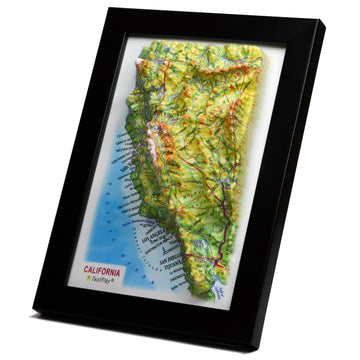
A tool like a TESTPLAY 3D map allows you to do just that. You can visualize the mountain's topography, see the layout of trails and their relative steepness, and understand the spatial relationship between different areas of the resort. This visual understanding helps you assess if the terrain matches your group's skill levels and preferences far better than static 2D maps or written descriptions alone.
You can see how lifts connect different parts of the mountain, identify potential bottlenecks, and locate key facilities like restaurants, restrooms, and first aid stations. By exploring the resort in 3D, you gain a powerful intuition for its layout and flow, making your destination choice more informed and confident. This kind of preview can confirm that a resort offers the right mix of beginner terrain easily accessible from the village, or that the expert runs are truly challenging and well-connected.
Timing is Everything: When to Hit the Slopes
Choosing the right dates for your ski trip is almost as important as selecting the destination itself. The time of year significantly impacts snow conditions, crowd levels, and prices. Planning strategically can lead to better snow, shorter lift lines, and potentially significant cost savings.
The ski season typically runs from late November or early December through to April or even May in some high-altitude resorts. The peak season usually falls around Christmas, New Year, and Presidents' Day weekend in the US, or during half-term holidays in Europe. During these times, resorts are busiest, lift ticket prices are often at their highest, and accommodation can be scarce and expensive. However, this is also when the atmosphere is most vibrant and typically when snow conditions are most reliable in the heart of winter.
Shoulder seasons, such as early December before the holidays or late March and April, can offer a great balance. You might find better deals on lodging and lift tickets, fewer crowds, and still enjoy excellent snow, particularly at resorts known for good early or late-season conditions. Early season can sometimes be a gamble depending on snowfall, while late season offers warmer temperatures and longer daylight hours, though snow quality can vary, potentially becoming slushy later in the day.
Factors like school holidays, local events at the resort, and specific weather patterns for the region should also influence your decision. If traveling with children, school holidays are often unavoidable, but booking well in advance is crucial. If maximum snow depth is your priority, mid-winter (January and February) is generally the safest bet in most locations.
Assessing Conditions and Crowds
Understanding typical crowd patterns and historical snow data for a resort is vital. Many resorts and third-party sites provide historical snow reports and crowd calendars. Combining this data with a visual understanding of the mountain's capacity can be helpful.
While a TESTPLAY 3D map primarily focuses on the physical layout, understanding the positioning of lifts and major run intersections can give you clues about potential congestion points. During peak times, lifts serving popular beginner areas or the main access points from the village are likely to be busiest. Visualizing alternative routes or less-trafficked lifts using the 3D map can be a useful tactic for navigating the mountain efficiently once you are there. It helps you understand the flow of people and plan your on-mountain itinerary to potentially avoid the worst of the crowds at certain times of day.
Accommodation and Travel: Booking Your Base Camp and Getting There
Once you have chosen your destination and dates, securing your accommodation and arranging travel are the next major hurdles. These two elements are often the most significant costs of your trip, so booking strategically and early can lead to better options and prices.
Finding Your Home Away From Home
Accommodation options at ski resorts range widely, from luxury slopeside hotels and fully-equipped condominiums to cozy chalets, budget-friendly motels in nearby towns, and even hostels. Your choice will depend on your budget, the size of your group, desired amenities, and preferred location.
Slopeside or ski-in/ski-out accommodation offers the ultimate convenience, allowing you to access the lifts directly from your door. This convenience often comes at a premium price. Staying in the resort village or town center provides easy access to restaurants, shops, and apres-ski activities, usually within walking distance or a short shuttle ride from the slopes. Staying further afield in a nearby town can be significantly cheaper, but requires planning for daily transportation to and from the mountain, which could involve driving, public transport, or shuttle services.
Consider amenities like ski storage, drying rooms for gear, hot tubs or pools for relaxation after a day on the slopes, kitchens for cooking meals to save money, and laundry facilities. If traveling with family, look for kid-friendly features. Pet-friendly options might also be a consideration. Booking lodging well in advance, especially for peak season dates, is highly recommended as the best options get snapped up quickly. Many properties offer early bird discounts or packages that include lift tickets.
Using a tool like a TESTPLAY 3D map can aid in visualizing the proximity of potential lodging options to lifts, ski school meeting points, village amenities, and shuttle stops. While the map might focus on the mountain, a comprehensive version could integrate points of interest in the base area, allowing you to see just how far that enticing chalet is from the nearest lift or the main street. This helps you weigh the cost savings of a slightly more distant option against the potential inconvenience of daily travel.
Arranging Your Journey
Getting to the resort involves planning your transportation. If flying, research the nearest major airport and then consider ground transportation options from the airport to the resort. This could be a shared shuttle service, private transfer, rental car, or public transport. Driving yourself might be an option depending on your location, but be prepared for potential winter driving conditions and factor in parking costs at the resort.
Booking flights and airport transfers simultaneously can sometimes result in package deals. If renting a car, ensure it is equipped for winter driving, which might mean requesting four-wheel drive or all-wheel drive and checking local requirements for snow tires or chains. Public transport, such as trains or buses, can be a cost-effective and environmentally friendly option for reaching some resorts, particularly in Europe.
Consider the logistics of transporting your ski gear. Many airlines charge extra fees for ski bags, so factor this into your travel budget. Alternatively, you might consider shipping your skis or snowboard ahead of time using a specialized service, or simply renting equipment at the resort.
On-Mountain Essentials: Lift Tickets, Rentals, and Lessons
Once you arrive, the focus shifts to the mountain itself. Securing your access, your equipment, and potentially instruction are key steps for enjoying your time skiing or snowboarding. Planning these elements ahead of time can save you money and hassle.
Navigating Lift Tickets and Passes
Lift tickets are your access pass to the slopes, and their cost can be substantial, often representing a significant portion of your budget. Prices vary based on the resort, the time of year, the number of days you plan to ski, and how far in advance you purchase them. Buying lift tickets online in advance is almost always cheaper than purchasing them at the ticket window on the day.
If you plan to ski for multiple days, investigate multi-day passes or larger resort passes like the Epic Pass or Ikon Pass, which offer access to multiple resorts. These require a significant upfront investment but can provide substantial savings if you plan to ski for many days over the season or visit several participating resorts. Understand the terms and conditions of any pass you purchase, including blackout dates and refund policies.
Consider the type of ticket you need – some resorts offer tickets for specific areas, for beginners only, or for half days. If you are just learning or only plan to ski for a few hours, these might be more cost-effective options.
Sorting Out Rentals and Gear
Unless you own your own ski or snowboard equipment, you will need to rent it. Renting at the resort is convenient, allowing you to swap out equipment if needed and not worry about transport. Booking rentals online in advance, often through the resort or a local rental shop, can save time and money.
When renting, you will be fitted for skis or a snowboard, boots, and poles (for skiing). Ensure the rental shop staff properly size your equipment and adjust your bindings according to your height, weight, and ability level for safety. Consider your skill level when choosing rental equipment; beginner equipment is designed for ease of turning, while intermediate and expert gear offers more performance and responsiveness.
Some people prefer to rent from shops located away from the main resort base area, which can sometimes offer lower prices or better service. If you rent away from the mountain, plan how you will transport the equipment daily. Renting clothing like jackets and pants is also an option at many resorts if you do not have appropriate outer layers. Helmets are highly recommended and available for rent; many resorts now include them automatically or for a small additional fee.
Investing in Lessons
Taking a ski or snowboard lesson, especially if you are a beginner or want to improve your technique, is highly recommended. Lessons are available for all ages and ability levels, from introductory classes on the bunny slopes to advanced clinics focusing on moguls, powder, or park riding.
Group lessons are more affordable and a great way to meet other people. Private lessons offer personalized instruction tailored to your specific needs and goals. Booking lessons in advance is essential, especially during peak times, as popular classes and instructors can sell out quickly. When booking, be honest about your ability level so you are placed in the appropriate group.
A tool like a TESTPLAY 3D map can be helpful here too. Instructors often use specific areas of the mountain based on lesson level. Visualizing these areas on the 3D map can help you understand where your lessons will take place and how to get there. If you are booking a private lesson and discussing it with an instructor, being able to refer to specific runs or lifts you see on the map can facilitate communication about what you want to work on or where you want to go. You can familiarize yourself with the beginner areas or intermediate slopes where you expect to spend most of your time during your lesson.
Packing Smart: What to Bring for the Mountain
Packing for a ski trip requires careful consideration of layers, specialized gear, and comfort. Being prepared for varying weather conditions on the mountain is key to staying warm, dry, and comfortable throughout your trip. Forgetting essential items can be inconvenient and potentially expensive to replace at resort prices.
Layering is Key
The most important principle of ski clothing is layering. You will need three main layers:
1. A base layer: Worn directly against the skin, this layer wicks away moisture to keep you dry. Look for materials like merino wool or synthetic fabrics. Avoid cotton, which holds moisture.
2. A mid-layer: This provides insulation to keep you warm. Fleece jackets, down vests, or synthetic puffy jackets work well.
3. An outer layer: This is your protection from wind and snow. A waterproof and breathable ski jacket and ski pants are essential. Look for features like taped seams, powder skirts, and vents.
Essential Gear and Accessories
Beyond your clothing layers, several accessories are crucial for comfort and safety:
1. Ski or snowboard socks: Specialized socks designed for warmth and moisture-wicking without excessive bulk that could cause pressure points in boots. Bring several pairs.
2. Gloves or mittens: Waterproof and insulated gloves or mittens are vital for keeping your hands warm and dry. Mittens are generally warmer than gloves.
3. Goggles: Protect your eyes from sun, wind, and snow. Look for goggles with interchangeable lenses or lenses suitable for various light conditions (e.g., sunny days, flat light).
4. Helmet: As mentioned, highly recommended for safety. Ensure it fits properly.
5. Neck gaiter or balaclava: Provides warmth and protection for your face and neck on cold or windy days.
6. Warm hat: Essential for keeping warm when not wearing a helmet, such as walking around the village.
7. Sunscreen and lip balm with SPF: The sun's rays are stronger at altitude, and reflection off the snow increases exposure.
8. Hand and foot warmers: Small packets that provide extra warmth on very cold days.
Other Important Items
Remember to pack non-ski clothing for evenings and travel, comfortable shoes or boots with good grip for walking in snowy or icy conditions, swimwear if your accommodation has a pool or hot tub, and any personal toiletries and medications. Don't forget chargers for your electronic devices, a portable power bank, and adapters if traveling internationally. Importantly, bring all necessary travel documents, including ID, passports (if applicable), and any booking confirmations or vouchers. Having digital copies saved on your phone and printed copies is a good backup strategy.
While a TESTPLAY 3D map doesn't directly influence what you pack, understanding the likely conditions and terrain you will face, which you can glean from exploring the map and checking weather forecasts, can help you fine-tune your packing list. For example, if the resort is known for high winds or extreme cold at the summit (visible on the map if it includes elevation data), you will know to prioritize your warmest layers and face protection. If you plan to spend time exploring different base areas (visible on the map), comfortable walking boots are a must.
Budgeting Like a Pro: Managing Ski Trip Costs
Ski trips can be expensive, but careful planning and smart choices can help you manage costs effectively. Creating a detailed budget early in the process allows you to understand where your money is going and identify areas where you can save. Ignoring the budget can lead to unexpected expenses and potential financial stress during your vacation.
Breaking Down the Expenses
Start by listing all potential costs. The major categories typically include:
1. Travel: Flights, gas, car rental, airport transfers, parking.
2. Accommodation: Hotel, condo, chalet rental costs, taxes, resort fees.
3. Lift Tickets/Passes: Cost of mountain access.
4. Equipment: Rentals or cost of bringing your own gear.
5. Lessons: Ski or snowboard school fees.
6. Food and Drink: Groceries if cooking, restaurant meals, apres-ski.
7. Activities: Non-ski activities like tubing, ice skating, spa treatments.
8. Miscellaneous: Shopping, souvenirs, unexpected expenses.
9. Travel Insurance: Highly recommended for ski trips to cover cancellations, medical emergencies, and lost or damaged gear.
Tips for Saving Money
Look for opportunities to reduce costs without sacrificing the core experience. Travel during the shoulder season rather than peak weeks. Book flights, accommodation, and lift tickets as far in advance as possible, as early bird discounts are common. Consider package deals offered by resorts or travel agencies that bundle lodging, lift tickets, and sometimes rentals.
Cooking some of your own meals, especially breakfast and lunch, can significantly cut down on food costs compared to eating out for every meal. Pack snacks and drinks to bring on the mountain. If you are flexible, look for resorts that are generally less expensive than the major, world-renowned destinations. Renting gear away from the main base area might be cheaper, but weigh this against the inconvenience.
Using a TESTPLAY 3D map can help you identify the location of grocery stores relative to your lodging, making it easier to plan for cooking. It can also show the location of different dining options on and off the mountain, allowing you to see if there are more budget-friendly cafes or grab-and-go spots visible alongside the full-service restaurants. Understanding the layout helps you make informed decisions about where to eat based on location and likely price point (though the map itself wouldn't show prices).
Factor in a contingency fund for unexpected costs, such as needing an extra layer of clothing, visiting the doctor, or dealing with travel delays. Having a buffer provides peace of mind.
Safety First: Preparing for Mountain Adventures
Safety is paramount on any ski trip. The mountain environment presents unique challenges, and being prepared, informed, and cautious is essential for a fun and injury-free vacation. Taking steps before you go and being aware while you are there can make a significant difference.
Physical Preparation
Skiing and snowboarding are physically demanding activities. Engaging in some physical conditioning before your trip can help prevent fatigue and reduce the risk of injury. Focus on exercises that build leg strength, core stability, and endurance. Even a few weeks of preparation can make a noticeable difference in how you feel on the slopes.
Mountain Safety and Awareness
Familiarize yourself with the Skier's Responsibility Code or the resort's specific safety guidelines before you hit the slopes. These rules are designed to ensure everyone's safety. Always ski or ride within your ability level, obey all signs and closures, and be aware of your surroundings and other skiers or riders. Stay on marked trails unless you are knowledgeable and equipped for off-piste terrain and understand the associated risks, including avalanches.
Check the daily avalanche forecast and snow conditions if you plan to venture into backcountry areas. Resorts provide daily reports on open terrain, grooming, and any hazards; check these before heading out. Wear a helmet. Consider wearing other protective gear, especially for snowboarding or if you are learning, such as wrist guards or padded shorts.
Stay hydrated throughout the day, especially at altitude, and take breaks when needed. Listen to your body and stop if you are feeling overly tired or sore, as fatigue increases the risk of accidents. Never ski or ride under the influence of alcohol or drugs.
Having travel insurance that covers winter sports is highly recommended. Medical treatment at resorts can be expensive, and insurance can cover costs associated with injuries, as well as trip cancellation or interruption, and lost or damaged equipment.
A TESTPLAY 3D map can be a powerful tool for safety. By visualizing the terrain, you can better assess the steepness and difficulty of runs and make informed choices about where to ski or ride based on your ability. You can identify the location of first aid stations and patrol huts on the mountain, knowing exactly where to go or where to direct help if an incident occurs. Understanding the layout helps you navigate safely and avoid accidentally ending up on terrain that is beyond your skill level. You can also use it to plan meeting points with your group in case you get separated.
Enhancing the Experience: Beyond the Slopes
A ski trip is about more than just skiing or snowboarding. Planning for activities off the slopes can significantly enhance your overall vacation experience, adding relaxation, fun, and cultural elements to your mountain adventure.
Apres-Ski and Dining
Apres-ski is the tradition of relaxing and socializing after a day on the mountain, often involving drinks and snacks at a bar or restaurant near the base area. It's a lively part of the ski culture and a great way to unwind. Research the apres-ski scene at your chosen resort – some are known for vibrant parties, while others offer a more relaxed atmosphere.
Dining options range from casual cafes and pizza joints to upscale restaurants. Exploring the culinary scene is part of the travel experience. Make dinner reservations in advance, especially during peak season, as popular restaurants can book up quickly. Consider themed dinners, fondue nights, or sleigh ride dinners for a unique experience.
Non-Ski Activities
Most ski resorts offer a variety of activities for those who do not ski, want a rest day, or simply want to try something different. Popular options include:
1. Snowshoeing: Explore peaceful trails through snowy forests.
2. Cross-country skiing: A great workout and a different way to experience the winter landscape.
3. Tubing or sledding: Fun for all ages, often with dedicated parks and lifts.
4. Ice skating: Many resorts have outdoor or indoor rinks.
5. Spa and wellness: Relax with a massage or enjoy a hot tub or sauna.
6. Shopping: Browse local boutiques and gear shops.
7. Scenic gondola rides: Enjoy breathtaking views without skiing down.
8. Winter festivals and events: Check the resort's calendar for special happenings.
A TESTPLAY 3D map, especially one that integrates points of interest beyond the ski runs, can help you locate and visualize the proximity of these activities to your lodging and the main village areas. Seeing the location of the tubing hill, the ice rink, or popular apres-ski spots on the map helps you integrate these into your daily plans and understand the logistics of getting there. You can see if an apres-ski spot is conveniently located at the base of the lift you plan to finish on, or if the spa is a short walk from your accommodation.
Putting It All Together: Leveraging Tools for Seamless Planning
We have discussed the various components of planning a ski trip, from choosing the destination to packing your bags and thinking about safety and leisure. Now, let us focus on how powerful planning tools, specifically the concept of a TESTPLAY 3D map, can tie all these elements together and make the entire process more intuitive and effective.
Traditional planning often involves juggling multiple resources: 2D trail maps, resort websites, booking sites, weather forecasts, and maybe a few saved pins on a standard mapping application. This fragmented approach can make it difficult to get a holistic sense of the resort and how all the pieces fit together geographically.
The Power of Visualization
The core benefit of a TESTPLAY 3D map in ski trip planning is visualization. Mountains are inherently three-dimensional, and a flat 2D map can only convey so much information about elevation changes, slope angles, and the flow of terrain. A 3D representation brings the mountain to life, allowing you to:
1. Understand Terrain Difficulty: Clearly see the steepness of runs and assess whether they match your skill level. Blue runs look visually different from black runs, not just marked by a color.
2. Navigate Spatially: Get an intuitive sense of direction and distance on the mountain. Understand how lifts connect different areas and plan efficient routes.
3. Locate Key Facilities: Easily spot restaurants, restrooms, patrol huts, and meeting points in relation to the runs and lifts.
4. Assess Logistics: See the layout of the base area, the location of rental shops, ski school meeting points, and parking areas relative to the lifts and village.
5. Plan On-Mountain Strategy: Visualize your potential routes down the mountain, identify areas you want to explore, and plan where to meet up with your group.
Think about choosing a resort: instead of just reading that a resort has "varied terrain," you can visually explore the proportion of green, blue, black, and double black runs, see the layout of the terrain parks, and identify potential off-piste areas (if mapped). This direct visual assessment is far more powerful than relying solely on statistics or written descriptions.
When booking accommodation, you can use the map (if integrated with base area details) to see exactly how far a potential hotel is from the nearest lift or shuttle stop. This helps you make a practical decision based on convenience versus cost.
Planning your day on the mountain becomes much easier. Before you even arrive, you can spend time exploring the map, identifying the runs you want to tackle, understanding which lifts access which areas, and planning where you might stop for lunch. This pre-familiarization reduces uncertainty and helps you make the most of your time on the snow. If conditions change, you can quickly refer to the map to identify alternative routes or lifts that might be better suited to the current weather or snow quality in different zones of the mountain.
Sharing your plans with your travel companions is also simplified. Instead of pointing at a flat map and trying to explain where you mean, you can share views of the 3D map, ensuring everyone is on the same page and understands the layout and meeting points.
A comprehensive TESTPLAY 3D map could even integrate real-time data overlays, showing things like lift status (open/closed), current grooming reports, or even real-time crowd density at lift queues (though this is more advanced). The potential for enhanced planning and on-mountain experience through such detailed visualization is immense.
By using such a tool, you move from abstract planning to concrete visualization. You build a mental model of the resort before you arrive, reducing the stress of navigating an unfamiliar environment and allowing you to focus on enjoying the experience. It empowers you to make more informed decisions at every stage of the planning process and adds an extra layer of confidence and excitement as you anticipate your trip.
Conclusion: Your Stress-Free Path to the Slopes
Planning an ultimate ski trip involves numerous steps, from selecting the perfect destination and timing your visit to arranging accommodation, travel, and on-mountain essentials. We have covered the key considerations for each stage, emphasizing the importance of early booking, smart budgeting, and prioritizing safety.
While traditional planning methods are effective, leveraging modern tools can significantly streamline the process and enhance your preparedness. As we have explored, the ability to visualize the mountain and its surroundings with a resource like a TESTPLAY 3D map provides a level of understanding that flat maps simply cannot match. It helps you make better decisions about where to go, where to stay, and how to navigate the slopes, turning potential challenges into exciting possibilities.
By following a structured approach and utilizing the resources available, you can transform the potentially daunting task of ski trip planning into an enjoyable part of your vacation experience. You will arrive at your destination feeling confident, prepared, and ready to make the most of every moment on the snow and in the mountain town. So, take a deep breath, start exploring, and get ready for an unforgettable adventure on the slopes! Your dream ski trip awaits, and with careful planning and the right tools, it is well within reach.
The mountains are calling, and now you have a comprehensive guide to help you answer. Use this information, explore visual resources, and start planning your perfect escape to the snow today.
```