```html
Expert Guide: Displaying TESTPLAY 3D Maps as Stunning Home Decor
Expert Guide: Displaying TESTPLAY 3D Maps as Stunning Home Decor
Introduction: Transforming Walls into Narratives with TESTPLAY 3D Maps
TESTPLAY 3D maps are far more than simple geographical representations; they are intricate works of art, tangible pieces of topography, and powerful triggers for memory and aspiration. Unlike flat maps, their three-dimensional form adds a tactile and visual depth that can transform any living space. Many owners acquire these stunning pieces, perhaps representing a beloved hometown, a memorable vacation spot, or a dream destination, and then face the exciting challenge of displaying them effectively.
The question quickly becomes: How can you best showcase the unique beauty and detail of your TESTPLAY 3D map, integrating it seamlessly into your existing home decor? Placing such a distinctive item requires careful consideration to maximize its visual impact and preserve its quality. This isn't just about hanging something on a wall; it's about highlighting a piece that holds personal meaning and adds significant character to your environment.
This authoritative guide provides comprehensive tips and creative ideas for displaying your TESTPLAY 3D map, ensuring it becomes a focal point and a true expression of your personal style. We will cover everything from choosing the perfect location and selecting the right display method to harmonizing the map with your interior design theme and ensuring its long-term care. Whether your style is minimalist, traditional, or somewhere in between, you will find actionable advice to make your TESTPLAY map shine.
Our aim is to empower you to display your map in a way that not only protects it but also enhances its aesthetic appeal and tells your unique story. By the end of this post, you will have a clear understanding of how to make your TESTPLAY 3D map a celebrated part of your home's decor. Let's explore the possibilities and unlock the full potential of these incredible topographical artworks.
Why TESTPLAY 3D Maps Make Unique and Captivating Decor Pieces
In a world often dominated by mass-produced art, TESTPLAY 3D maps offer a refreshing departure. Their physical form, showcasing elevation changes, river valleys, and coastlines in intricate detail, provides a unique visual and textural experience that flat prints simply cannot replicate. This dimensionality catches the light in fascinating ways, creating dynamic shadows and highlights that change throughout the day.
Beyond their aesthetic qualities, these maps resonate on a personal level. They represent places that hold significance – perhaps where you grew up, where you met your partner, where you had an unforgettable adventure, or where you dream of going. Displaying such a map turns a wall into a canvas for personal narrative, sparking conversation and connection with guests. They are sophisticated conversation starters, inviting viewers to lean in, trace the contours, and share their own stories related to the depicted location.
Integrating a TESTPLAY 3D map into your decor allows you to infuse your space with personality and a sense of history or aspiration. It speaks to a love of geography, travel, or a deep connection to a specific place. Unlike generic wall art, a 3D map is inherently unique, a bespoke piece that reflects your individuality and experiences. This inherent uniqueness makes them powerful decorative elements that can anchor a room or add an unexpected layer of interest.
More Than Just a Map: They are Art, Sculpture, and Memory Keepers
Consider your TESTPLAY 3D map not just as a chart, but as a sculptural piece. The way the land rises and falls is a deliberate design choice, crafted to accurately represent the topography while also being visually appealing. This makes them akin to relief sculptures that can be displayed prominently. The craftsmanship involved in creating these detailed models further elevates them to the realm of fine art.
Each contour line, each subtle change in elevation, is part of a larger artistic composition that captures the essence of a place. Displaying it is about appreciating this artistry as much as it is about recognizing the location. They serve as constant reminders of cherished memories or exciting future plans, acting as tangible links to moments and places that matter deeply to you. This blend of artistic form, geographical accuracy, and personal significance is what sets TESTPLAY 3D maps apart as truly exceptional decor items. They are not merely decorations; they are curated pieces that enrich your living environment on multiple levels.
Choosing the Right TESTPLAY Map for Your Space and Style
Before you even think about hanging your map, selecting the right one for the intended space is crucial. TESTPLAY maps come in various sizes, levels of detail, and perhaps even color schemes or finishes. The specific map you choose should ideally complement both the physical characteristics of the room and your personal decor aesthetic. A large, highly detailed map of a mountain range might overwhelm a small, minimalist powder room, while a small city map could get lost on a vast living room wall.
Think about the *feeling* you want the map to evoke in that particular room. Is it a calming, serene space where a map of a tranquil lake district would fit? Or a vibrant, energetic area where a bustling city map or dramatic coastline could work? Consider the existing color palette and overall style of the room to ensure the map enhances, rather than clashes with, the current decor. The subject matter of the map itself is the first layer of selection.
Map Style, Detail Level, and Size Considerations
TESTPLAY offers different map styles, from detailed topographical views showing elevation and terrain to bathymetric maps depicting underwater features, or even specific city layouts. A topographical map with dramatic elevation changes is naturally more sculptural and impactful, potentially suited for spaces where you want a strong visual statement. A bathymetric map might have a more subtle, flowing aesthetic, ideal for a calming space or a room with a coastal theme. City maps offer intricate patterns and can feel very contemporary or sophisticated.
The level of detail is another factor. Highly detailed maps are fascinating up close, perfect for spaces where people will have the opportunity to examine them, like an office or a hallway. Less detailed maps might work better as a broader visual element in a larger room or when viewed from a distance. Size is perhaps the most practical consideration. Measure your wall space and consider the scale of other furniture and art in the room. A map that is too small will look insignificant, while one that is too large can make the room feel cramped or off-balance. Aim for a size that feels proportionate to the wall and the room's dimensions.
Considering the Room's Function and Mood
The purpose of the room should heavily influence your map choice and display. In a home office, a map might serve as inspiration for future travel, a reminder of past achievements, or simply a sophisticated backdrop for video calls. A map of a place you love could provide a calming escape in a bedroom. In a dining room, a map might spark conversations about travel destinations or geographical wonders during meals.
Consider the mood you want to create. A map of rugged mountains can evoke a sense of adventure and grandeur, suitable for a living room or study. A map of a peaceful lake or gentle rolling hills might contribute to a sense of tranquility in a bedroom or reading nook. The map should feel like a natural extension of the room's intended atmosphere and function. Matching the map's character to the room's character ensures a harmonious and effective display.
Strategic Placement: Finding the Perfect Spot for Your TESTPLAY Map
Where you place your TESTPLAY 3D map is just as important as the map itself. The right location can turn it into a true focal point, while the wrong one might see it overlooked or even damaged. Think about visibility, lighting, and how the map interacts with other elements in the room. The goal is to choose a spot where the map can be easily admired and appreciated for its detail and form.
Consider the natural sightlines when you enter the room or when seated in the primary viewing areas. The best spot is often one that catches the eye without being in a high-traffic area where it could be bumped. Also, consider the wall space available. Is there a large blank wall that feels empty? Is there a space above a key piece of furniture that needs anchoring? The map should feel like it belongs, not like an afterthought.
Living Rooms: Focal Points and Conversation Starters
The living room is often the heart of the home and a primary space for entertaining guests, making it an ideal location for a significant piece like a TESTPLAY 3D map. Placing a map prominently above a sofa, over a fireplace mantel, or on a large, central wall instantly creates a focal point. This encourages guests to approach the map, observe its details, and inquire about its significance to you.
Ensure the map is hung at an appropriate height – typically eye level for a standing adult when on a main wall, or slightly lower if placed above seating. In a living room, the map should feel integrated with other wall art and decor. It can be the anchor piece in a gallery wall or stand alone as a powerful statement. Its three-dimensional nature makes it particularly effective under specific lighting conditions, which we will discuss later, adding dynamic visual interest to the space.
Offices and Studies: Inspiration, Sophistication, and Personal Connection
A home office or study is a perfect place for a TESTPLAY 3D map, offering both visual appeal and potential inspiration. Placing it behind your desk or on a wall visible during video calls can add a layer of sophistication and reveal a bit about your interests to colleagues or clients. For personal motivation, a map of a place you aspire to visit or a region related to your work can be highly effective.
In a study, a map feels inherently appropriate, tying into themes of knowledge, exploration, and history. It can sit alongside bookshelves, globes, or other items related to geography and learning. The tactile nature of the 3D map provides a welcome break for the eyes from screens and books, offering something physical and intricate to appreciate. Placement in an office should consider its role – is it purely decorative, or does it serve as a source of inspiration or a talking point?
Hallways and Entryways: Making a Grand Impression
The entryway sets the tone for your home, and a well-placed TESTPLAY 3D map can make a memorable first impression. A map here can symbolize a journey, represent where your family comes from, or simply serve as an intriguing piece of art that immediately captures attention. Hallways, often overlooked spaces, can be transformed by adding visual interest to the walls.
Consider the scale of the hallway. A long, narrow hallway might benefit from a series of smaller maps or a single large map placed strategically. An entryway with high ceilings could accommodate a larger piece hung higher. Ensure the map is protected from potential bumps or scrapes in a high-traffic area, possibly by placing it on a wall segment that is slightly recessed or by using a protective display method like a shadow box. The goal is to create visual impact right from the moment someone enters your home.
Bedrooms: Personal Sanctuaries and Dreamscapes
The bedroom is a personal retreat, and displaying a TESTPLAY 3D map here can add a layer of intimacy and meaning. Choose a map that represents a place with personal significance – a honeymoon destination, a childhood home, or a place that evokes peace and relaxation. Placed above the bed or on a prominent wall, it serves as a beautiful and meaningful piece of art to start and end your day with.
In a bedroom, the map can contribute to a calm and contemplative atmosphere. The intricate details can offer a quiet point of focus. Consider the color scheme of the room and choose a map or frame that complements it. The map should feel like a natural, personal addition to your sanctuary, reflecting your dreams and memories in a subtle yet powerful way.
Other Creative Locations: Kitchens, Game Rooms, and More
Don't limit yourself to the most obvious rooms. A TESTPLAY 3D map can add unexpected charm and interest to less conventional spaces. A map of a wine region might be perfect for a kitchen or dining area, or a map of a national park could fit wonderfully in a sunroom or den. In a game room, a map of a fantasy realm or a real-world location known for adventure could enhance the theme.
Consider placing smaller maps on bookshelves, side tables, or even as part of a larger display on a buffet or console table (using stands or leaning methods). Think about the flow of your home and where a unique piece like a 3D map would feel like a delightful discovery. Anywhere you want to add a touch of personal history, geographical interest, or artistic texture is a potential home for your TESTPLAY map. Be creative and consider how the map's subject relates to the function or theme of the space.
Display Methods: Framing, Mounting, and More to Showcase Your Map
Once you've chosen the perfect map and location, the next critical step is deciding how to display it. The method you choose will affect the map's presentation, its interaction with the room, and its long-term preservation. Because TESTPLAY maps are three-dimensional, standard flat framing techniques need adaptation, or alternative methods should be considered. Your display choice should enhance the map's unique features while protecting it from dust and environmental factors.
The method should also align with the overall style of your decor and the specific map you are displaying. A rustic wooden frame might suit a map of a natural landscape in a traditional home, while a sleek, modern mount might be better for a city map in a contemporary apartment. Exploring the different options allows you to find the perfect way to highlight the intricate details and topographical beauty of your map.
Traditional Framing for a Classic and Protected Look
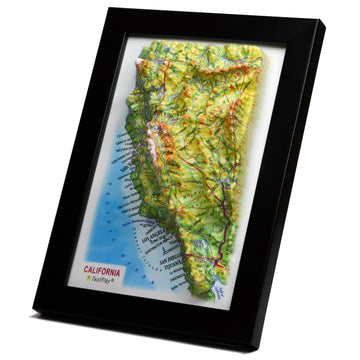
While traditional framing often involves pressing a flat image behind glass, framing a 3D map requires a different approach, typically involving a deep frame or a shadow box. A deep frame provides the necessary space between the glass and the map's surface, preventing crushing and allowing the topography to be fully appreciated. Adding a mat board around the map can create visual space and draw the eye inward, just as with flat art.
Choose frame materials and colors that complement the map and your decor. Wood frames offer warmth and classic appeal, while metal frames can provide a more modern or industrial look. Consider museum-quality glass or acrylic, which offer UV protection to prevent fading over time. Framing your map provides excellent protection from dust, curious fingers, and environmental fluctuations, making it a durable and timeless display method. Work with a professional framer experienced with three-dimensional objects for the best results.
Floating Mounts for a Modern and Unobtrusive Feel
For a contemporary look where the map appears to float off the wall, a floating mount is an excellent option. This typically involves securing the map to a hidden backing board or using standoffs – small pieces of hardware that hold the map a short distance from the wall. This method emphasizes the map itself, creating a sense of lightness and depth as the map casts a shadow behind it.
Floating mounts are ideal for modern or minimalist spaces where you want the artwork to speak for itself without the visual weight of a frame. They showcase the map's edges and full form. Ensure the mounting hardware is sturdy and appropriate for the size and weight of your TESTPLAY map. While they offer a sleek look, maps displayed this way are more exposed to dust and touch compared to framed pieces, so choose the location carefully.
Shadow Boxes for Depth, Detail, and Enhanced Protection
A shadow box is specifically designed to display three-dimensional objects and is an excellent choice for TESTPLAY maps, particularly if they have significant height variation. A shadow box is essentially a deep frame with a backing onto which the object is mounted, covered by glass or acrylic at the front. This creates a protective enclosure while allowing the full depth and detail of the map to be appreciated.
Shadow boxes offer great protection from dust, humidity fluctuations, and physical damage. They also allow for creative presentation; you can mount the map directly to the back or float it within the box. The depth of the box itself adds another visual layer to the display. Shadow boxes come in various styles and finishes, allowing you to choose one that perfectly fits your decor. They provide a secure and visually appealing way to preserve and display your cherished map for years to come.
Leaners and Stands: Displaying Without Wall Mounting
If you prefer not to put holes in your walls or want more flexibility in rearranging your decor, displaying your TESTPLAY map on a stand or simply leaning it against a wall is a stylish alternative. Smaller maps can be placed on easels or plate stands on shelves, mantels, or console tables. Larger maps can be leaned against a wall from the floor, similar to how large framed art or mirrors are sometimes displayed.
Leaning works well in casual, layered decor styles. It allows the map to feel less formal and more integrated into the overall arrangement of objects in the room. Ensure the map is stable and not in a location where it is likely to be knocked over. This method offers versatility, allowing you to easily move the map to a new location or room whenever you desire a change. It's a particularly good option for renters or those who frequently update their decor.
Groupings and Gallery Walls: Integrating Maps with Other Art
Your TESTPLAY 3D map doesn't have to be a standalone piece. It can be integrated into a gallery wall or grouped with other maps or related objects to create a larger, more complex display. A gallery wall featuring a mix of framed art, photographs, and perhaps even other objects can beautifully incorporate a 3D map as a centerpiece or an intriguing addition.
When grouping maps, you could display multiple TESTPLAY maps of places you love, varying their sizes or display methods for visual interest. Alternatively, pair a 3D map with flat maps, vintage atlases, travel photographs, or souvenirs from the location depicted. This creates a cohesive visual story that is richer and more personal than a single item. Pay attention to spacing and balance when creating groupings to ensure the arrangement looks intentional and harmonious.
Harmonizing TESTPLAY Maps with Your Interior Style
A key aspect of successful decor is ensuring all elements work together cohesively. Your TESTPLAY 3D map, while a unique piece, should feel like a natural part of your home's aesthetic, not an alien addition. By considering your existing interior style, you can choose the right map, display method, and placement to ensure it enhances the overall look and feel of the room.
Think about the dominant materials, colors, and lines in your space. Do you have lots of wood, metal, glass, or fabric? Are your colors muted and neutral, or bold and vibrant? Are the lines in your furniture and architecture clean and modern, or ornate and traditional? Your map display should ideally echo or complement these elements. The versatility of TESTPLAY maps means they can be adapted to fit almost any design scheme with careful consideration.
Minimalist and Contemporary Spaces
In minimalist and contemporary interiors, simplicity and clean lines are key. Choose a TESTPLAY map with a sleek finish or neutral color palette. Display methods like floating mounts or simple, unobtrusive frames (thin metal or black/white wood) work best. The map itself, with its inherent texture, can provide visual interest in a pared-down space.
Placement should be deliberate – perhaps a single, well-chosen map on a large, empty wall to serve as a striking focal point. Avoid cluttering the area around the map. The beauty of the map's form and topography should be allowed to stand out without distraction. The map adds a touch of organic form (representing the earth) to often angular, modern designs, creating a pleasing contrast.
Traditional and Classic Interiors
Traditional decor often features richer materials, warmer color palettes, and more ornate details. A TESTPLAY map can fit beautifully into this style, especially when displayed in a classic frame. Choose a map with rich, perhaps slightly muted, colors if available, or let the texture of the topography be the main feature.
Solid wood frames with some detail or a warm metallic finish work well. Consider using a mat board in a neutral or complementary color to enhance the classic feel. Placing the map above a traditional fireplace, a mahogany desk, or within a gallery wall of oil paintings and antique prints can integrate it seamlessly into a traditional setting. The map adds an element of intellectual curiosity and worldly charm.
Rustic and Industrial Designs
Rustic and industrial styles celebrate raw materials, texture, and a sense of history or manufacturing. A TESTPLAY map's topographical nature aligns well with these aesthetics, particularly maps depicting natural landscapes or older city layouts. Choose frames made from reclaimed wood, distressed finishes, or raw metal.
Mounting the map on a visible piece of wood or metal can also enhance the industrial feel. Leaning a framed map against a brick wall or placing it on a workbench-style console table works perfectly. The texture of the 3D map complements the rough surfaces and natural materials common in these styles. Look for maps that might feature natural wood finishes or colors that evoke earth and industry.
Eclectic and Bohemian Vibes
Eclectic and bohemian styles are characterized by a mix of patterns, colors, textures, and objects collected over time. A TESTPLAY map can be a fantastic addition to an eclectic space, adding a layer of geographical interest and a unique textural element. Don't be afraid to mix display methods or integrate the map into a vibrant gallery wall filled with diverse art and objects.
Choose a frame that is interesting or unusual, perhaps with a bold color or pattern, or use a combination of frame styles if displaying multiple maps. The map can be paired with textiles, plants, vintage finds, and art from around the world. The key is to make the map feel like one treasured piece among many, contributing to a rich and layered visual experience that tells a story of travel, art, and personal interest.
Coastal and Nautical Themes
For homes with a coastal or nautical theme, a TESTPLAY map of a coastline, island, lake, or even a bathymetric map is a perfect fit. These maps inherently relate to water and land formations, making them thematically appropriate. Choose maps with blue or green tones if available, or let the white or natural finish evoke the clean lines of coastal landscapes.
Display methods that feel light and airy work well, such as simple white or light wood frames, or floating mounts. Placing the map alongside nautical charts, beach-themed art, or items collected from the sea can create a cohesive display. The texture of the map can represent sandy dunes, rocky cliffs, or rolling waves, adding a tactile element that enhances the coastal feel.
Lighting Your TESTPLAY Masterpiece
Lighting plays a crucial role in showcasing the unique three-dimensional nature of a TESTPLAY map. Proper lighting can highlight the contours, create dramatic shadows, and bring the topography to life, making the map even more captivating. Without appropriate lighting, the subtle relief might be lost, reducing the map's visual impact and making it appear flatter than it is.
Consider how both natural and artificial light interact with the map throughout the day and night. The goal is to create conditions where the map's texture is clearly visible and appreciated. Poor lighting can lead to glare on framed maps or simply fail to emphasize the map's defining characteristic – its three-dimensionality. Thoughtful lighting turns a simple wall hanging into a dynamic display.
Accent Lighting: Spotlights and Picture Lights
Accent lighting is the most effective way to highlight the texture of your TESTPLAY map. Small spotlights mounted on the ceiling or wall can be angled to graze the surface of the map, creating shadows that emphasize the peaks and valleys. Positioning the light source to the side or slightly above and to the side of the map often yields the most dramatic results, as this angle catches the edges of the contours.
Picture lights, traditionally used for paintings, can also work well, especially if the map is framed. Choose a picture light that extends far enough from the wall to cast light down onto the entire surface of the map. LED picture lights are a good option as they emit minimal heat and offer various color temperatures to complement the map and room decor. Experiment with light placement and angle to find the effect that best showcases your map's unique topography.
Ambient Light Considerations and Avoiding Direct Sunlight
While accent lighting highlights the map's texture, ambient light is the general illumination of the room. Ensure the area where the map is displayed is sufficiently lit overall, but avoid placing the map in a location that receives direct, harsh sunlight for extended periods. Direct sunlight can cause colors to fade over time, particularly on paper or painted surfaces, and can also cause glare that makes the map difficult to view.
If the ideal placement is near a window, consider using UV-protective glass or acrylic in your frame or using curtains or blinds to filter the light during the brightest parts of the day. Observe how the natural light in the room changes throughout the day; sometimes, shifting shadows from natural light can beautifully highlight the map's contours, while at other times, they might obscure details. Finding a balance between sufficient light for viewing and protection from damaging rays is key for long-term enjoyment of your map.
Caring for Your 3D Map Display for Long-Term Preservation
TESTPLAY 3D maps are durable, but like any piece of art or decor, they require some care to maintain their appearance and integrity over time. Dust is a common issue for three-dimensional objects with intricate surfaces. Environmental factors like direct sunlight and humidity can also potentially cause damage. Taking simple preventative measures will ensure your map remains a beautiful part of your home for many years.
Regular, gentle cleaning is important, as is being mindful of the map's environment. If the map represents a significant investment or holds deep personal value, taking these steps is crucial. Proper care not only preserves the map's physical state but also ensures that its visual appeal is maintained, allowing the topography and details to remain clear and prominent.
Dusting and Gentle Cleaning Methods
Dust will inevitably settle on the surfaces of a 3D map. The most effective way to remove it is gently. Avoid using abrasive cloths or cleaning products. A soft brush, such as a clean, dry paintbrush with soft bristles, can be used to carefully brush away dust from the contours and valleys. Always brush lightly and in one direction to lift the dust rather than pushing it deeper into crevices.
Another option is using canned air, held at a safe distance (follow product instructions) to blow dust away. Be cautious with the pressure, especially on delicate details. For framed maps, simply dust the frame and glass as you would other framed art. If the map needs more significant cleaning (unlikely unless exposed to spills or significant grime), consult with the manufacturer or a professional conservator specializing in paper or sculptural objects.
Protecting from Direct Sunlight and Humidity
As mentioned earlier, direct sunlight is a major threat to the color and material stability of many display items, including maps. Always avoid hanging your TESTPLAY map in a location where it will receive direct sunlight for prolonged periods. If this is unavoidable, invest in UV-filtering glass or acrylic for framing, or use window treatments to block direct rays during peak sun hours.
Humidity can also be problematic. High humidity can cause materials to warp or degrade, while excessively dry conditions can make materials brittle. Aim for a stable environment with moderate humidity levels, typical of most comfortable indoor living spaces (ideally between 40-60percent relative humidity). Avoid hanging maps in rooms with high, fluctuating humidity, such as bathrooms or basements, unless they are specifically designed for such environments or are properly protected in a sealed display case.
Creating a Narrative: Pairing Maps with Objects and Memories
Displaying your TESTPLAY 3D map becomes even more impactful when you use it as a centerpiece for a visual narrative. A map represents a place, and places are tied to experiences, memories, and dreams. By surrounding or pairing your map with related objects, you can create a dynamic display that tells a deeper story and adds layers of personal meaning to your decor.
Consider the map of a city you visited. Alongside it, you could display framed photographs from the trip, ticket stubs from attractions, a small souvenir, or even a piece of local art. If it's a map of a natural park, perhaps pair it with a collection of interesting rocks, pinecones, or photographs of wildlife encountered there. These curated groupings turn the display area into a small exhibition of your personal connection to that location.
This approach works particularly well in gallery walls, on bookshelves, or on console tables beneath the map. The map provides the geographical context, while the objects add the personal touch and sensory detail of your experiences. It transforms a simple wall hanging into a conversation piece that is not just about the place itself, but about your relationship with it. Creating these narratives makes your decor truly unique and meaningful, inviting viewers to engage with your story.
Conclusion: Display Your Story with a TESTPLAY 3D Map
TESTPLAY 3D maps offer a unique opportunity to blend art, geography, and personal history within your home decor. Their intricate detail and captivating three-dimensional form make them stand out as distinctive pieces that can elevate any space. By carefully considering the map's subject, size, and style in relation to your room's function and aesthetic, you lay the groundwork for a successful display.
Choosing the right display method – whether it's classic framing, modern floating, protective shadow boxing, or casual leaning – ensures the map is not only showcased beautifully but also preserved for years to come. Integrating the map seamlessly into your existing decor style, from minimalist to bohemian, demonstrates thoughtfulness and enhances the overall harmony of your home.
Finally, paying attention to lighting and implementing simple care routines will keep your map looking its best, allowing its topographical beauty to truly shine. More than just decorative objects, TESTPLAY maps are anchors for memories and aspirations, capable of transforming walls into windows onto the world and personal narratives.
Embrace the opportunity to display your TESTPLAY 3D map in a way that reflects your personality, celebrates your connection to place, and sparks curiosity in others. Your home is your canvas, and your map is a powerful brushstroke, ready to tell its story. Choose your location wisely, display it with pride, and let your TESTPLAY map become a cherished focal point in your uniquely decorated space.
```