```html
Transform Your Home: Authentic Mountain Decor Ideas Using TESTPLAY Maps in Every Room
Transform Your Home: Authentic Mountain Decor Ideas Using TESTPLAY Maps in Every Room
Do you dream of capturing the majestic beauty and rugged spirit of the mountains within your home? Many aspire to this unique aesthetic, seeking to create spaces that feel both inspired by nature and deeply personal. However, achieving truly authentic mountain decor can sometimes feel challenging, going beyond just adding a few pinecone accents or landscape prints. The key lies in incorporating elements that tell a story, pieces that resonate with the power and geography of the natural world you admire.
Generic mountain-themed items can fall short of evoking the genuine feeling of the alpine or wilderness environment. You want your space to reflect a true connection to the mountains, perhaps showcasing places you have explored or peaks that hold special meaning. This is where the transformative power of high-quality, accurate map art comes into play, offering a unique and sophisticated way to infuse mountain spirit into any room.
This post will guide you through the process of integrating exceptional TESTPLAY maps into your interior design. We will explore why these specific maps are an ideal choice for mountain decor, far surpassing standard options in quality and detail. Furthermore, we will provide practical, room-by-room inspiration and ideas, demonstrating how you can effectively use TESTPLAY maps to create stunning, authentic mountain-inspired spaces throughout your entire home.
Why Choose TESTPLAY Maps for Your Mountain Decor?
When it comes to selecting art and decorative elements that genuinely represent the mountains, not all options are created equal. Standard posters or mass-produced prints often lack the depth and accuracy needed to truly convey the complexity and scale of mountainous terrain. Choosing the right pieces is crucial for creating decor that feels authentic and meaningful, rather than merely thematic.
TESTPLAY maps stand out in the world of map art for several compelling reasons. They offer a unique combination of geographical accuracy, artistic quality, and customization that is perfectly suited for sophisticated mountain decor. Investing in a TESTPLAY map means acquiring a piece that is both beautiful and informative, a true representation of the landscape it depicts.
Beyond Generic Art: Authenticity and Storytelling
One of the most powerful aspects of using maps in decor is their ability to tell a story. A TESTPLAY map, especially one depicting a location significant to you, instantly adds a layer of personal history and connection to your space. It's not just a picture of mountains; it's a depiction of *specific* mountains, perhaps ones you have climbed, hiked, or simply dream of visiting.
These maps move beyond generic mountain imagery to provide an authentic geographical representation. They showcase the contours, elevations, and features that define a particular landscape, offering a level of detail that static photography cannot always capture in a single frame. This authenticity resonates deeply with those who have a genuine appreciation for the geography and topography of mountainous regions, making your decor feel grounded and real.
High-Quality Craftsmanship: Accuracy, Detail, and Materials
TESTPLAY maps are renowned for their exceptional quality and attention to detail. Unlike many decorative maps, they are often based on highly accurate topographic data, rendering the landscape with precision. This means you can see the subtle changes in elevation, the winding paths of rivers, and the intricate network of trails, all depicted with clarity and fidelity.
The materials used in creating TESTPLAY maps also contribute significantly to their appeal and durability. Often printed on high-quality paper or other robust substrates, the colors are vibrant and the lines are sharp, ensuring the intricate details of the topography are easily discernible. This commitment to quality craftsmanship means your map will not only look stunning but will also stand the test of time, becoming a cherished part of your home for years to come.
Customization Options: Personal Locations, Sizes, and Styles
A significant advantage of TESTPLAY maps is the potential for customization. You often have the ability to choose specific locations that are meaningful to you, whether it is your favorite hiking spot, a significant peak, or the region surrounding your mountain home. This level of personalization elevates the map from a piece of art to a deeply personal artifact.
Furthermore, TESTPLAY maps are frequently available in a range of sizes and styles, allowing you to select the perfect fit for your wall and your aesthetic preference. Whether you need a large-format statement piece or a smaller accent map, and whether you prefer a traditional topographic look or a more stylized interpretation, there are options to suit various design needs. This flexibility ensures that the map you choose integrates seamlessly into your existing decor.
Durability and Longevity: Built to Last
When investing in decor, especially unique art pieces, durability is an important consideration. TESTPLAY maps are generally produced with longevity in mind, using materials and printing techniques designed to resist fading and wear. Properly framed and displayed, these maps can maintain their beauty and clarity for decades, becoming heirloom pieces.
This durability makes them a wise investment for any room, including those with potentially higher traffic or environmental factors like humidity (though proper framing is essential in such cases, as discussed later). You can be confident that the stunning representation of your chosen mountain landscape will continue to inspire and impress for many years.
TESTPLAY Maps: Bringing the Mountains into Every Room
One of the greatest strengths of using maps for mountain decor is their versatility. A well-chosen map can enhance the atmosphere of any room, from the most public spaces like the living room to the most private retreats like the bedroom. The key is to consider the function and feel of each room and select a map and display method that complements it.
Let's embark on a room-by-room journey, exploring creative and effective ways to integrate TESTPLAY maps throughout your mountain-inspired home. We will look at how maps can serve different purposes in different spaces, adapting to the unique needs and moods of each environment.
The Heart of the Home: Maps in the Living Room
The living room is often the central gathering space in a home, a place for relaxation, conversation, and entertainment. It is also typically where you make the strongest design statement and showcase pieces that reflect your personality and passions. A large, striking TESTPLAY map can serve as a powerful focal point in this important room, instantly drawing attention and setting the tone.
Creating a Focal Point
A generously sized map displayed prominently over a sofa, fireplace, or on a large feature wall can anchor the entire room's design. Choose a map depicting a dramatic mountain range or a beloved local area to maximize its visual impact. The intricate details of the topography invite closer inspection and conversation, making the map a dynamic element rather than static background art.
Consider the scale carefully; a map that is too small can look lost on a large wall, while one that is too large can overwhelm the space. The goal is to create a balanced and visually appealing arrangement that highlights the map's beauty and detail. Proper lighting, such as directional spotlights, can further enhance the map's textures and colors, making it truly pop.
Integrating with Existing Decor Styles
TESTPLAY maps are surprisingly adaptable to various design styles beyond traditional rustic mountain lodge. In a modern mountain home, a clean, minimalist map with a simple frame can provide a striking graphic element. For a more traditional or rustic space, a map with rich, earthy tones and a reclaimed wood frame can blend seamlessly with other natural materials.
Pairing the map with complementary furniture and accessories is key. Think about incorporating natural textures like wood, leather, stone, and wool. Use a color palette inspired by the mountains – greens, browns, grays, blues, and muted earth tones. The map serves as the cornerstone, informing other design choices in the room.
Map Types and Framing Ideas
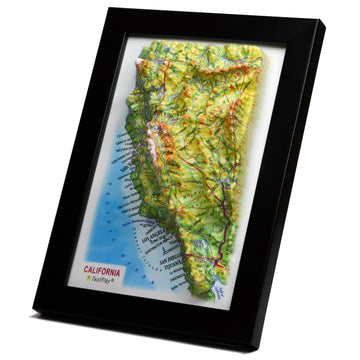
For a living room, consider framed prints, canvas prints, or even maps printed directly onto wood or metal for a unique textural effect. A classic framed print behind glass or acrylic offers protection and a traditional look. Floating frames or standoffs can give a map a more modern, gallery-like feel.
Think about the frame material – reclaimed barnwood, natural oak, sleek black metal, or distressed white wood can each evoke a different aspect of mountain style. The frame should complement both the map's aesthetic and the overall room decor. A museum-quality frame with archival matting and UV-protective glass is recommended for preserving the map's quality over time.
Sanctuary and Serenity: Maps in the Bedroom
The bedroom is a personal sanctuary, a place for rest, relaxation, and perhaps dreaming of future adventures. Decor here should promote calm and comfort while still reflecting your individual passions. A TESTPLAY map in the bedroom can evoke a sense of peaceful solitude found in the mountains or serve as inspiration for exploration, creating a serene yet adventurous atmosphere.
Evoking Calm and Adventure
A map depicting a remote wilderness area or a serene mountain lake can bring a sense of tranquility and escape to the bedroom. Conversely, a map of a challenging peak or trail system might inspire thoughts of accomplishment and future journeys. The choice of location on the map should align with the desired mood for the room.
Placing the map where you can see it easily from your bed can be a constant, gentle reminder of the natural world and your connection to it. It can be a quiet source of inspiration as you start your day or a calming image to reflect on before sleep. The detailed topography can also have a meditative quality, allowing your eyes to trace the lines and contours.
Placement and Scale Considerations
Consider placing a map above the headboard, on an adjacent wall, or even in a reading nook. A large horizontal map can look stunning above a king-sized bed, while a vertical map might be better suited for a narrow wall or between windows. Scale is important here too; ensure the map is appropriately sized for the wall space so it feels like a natural part of the room, not an afterthought or an overbearing presence.
For smaller bedrooms, a series of smaller framed maps or a single medium-sized piece might be more suitable. Consider grouping maps of different nearby peaks or sections of a long trail system for a curated look that tells a specific story.
Softening the Look with Textiles
To ensure the map art contributes to a restful bedroom atmosphere, integrate it with soft textures and textiles. Surround the wall where the map hangs with plush rugs, cozy blankets, and decorative pillows in earthy tones. The visual detail of the map can be balanced by the tactile comfort of the room's furnishings, creating a harmonious blend of visual and physical sensations.
Wood furniture, soft lighting, and natural elements like plants or preserved botanicals will further enhance the mountain theme and soften the geometric lines of the map. The map provides the structure and the story, while the textiles and furnishings provide the comfort and warmth.
Fueling the Explorer: Maps in the Kitchen and Dining Areas
The kitchen and dining areas are places where people gather to share food, stories, and laughter. Adding a TESTPLAY map to these spaces can serve as a unique conversation starter and a reminder of shared adventures or dream destinations. While perhaps less conventional than a living room or bedroom, maps can bring surprising character and inspiration to these functional spaces.
Conversation Starters
Imagine a detailed topographic map of a famous hiking region or a local mountain range displayed where friends and family gather. It's almost guaranteed to spark conversations about past trips, favorite trails, or plans for future expeditions. The map becomes more than just decor; it becomes a prompt for connection and shared passion.
Placing a map near the dining table or on a prominent kitchen wall ensures it is visible and accessible for discussion. People can point out familiar landmarks, discuss routes, and share memories associated with the depicted area.
Durable and Cleanable Options
Kitchen and dining areas require decor that can withstand a bit more activity and potential exposure to moisture or splashes. When selecting a map for these areas, consider the material and framing carefully. Framed prints behind glass are a good option as the glass protects the map from grease, spills, and humidity, making it easy to wipe clean.
Alternatively, maps printed on durable materials like metal or acrylic might be suitable, though you would need to ensure they are genuinely designed for such environments. Always consider potential exposure and choose a protected format to ensure the map's longevity in these often-busy spaces.
Smaller Accent Pieces or Large Backdrops
In the kitchen, a smaller framed map could hang in a corner, on a narrow wall between cabinets, or even lean on a shelf alongside cookbooks and ceramic pieces. In the dining area, a large map can fill a wall, creating a dramatic backdrop for meals and gatherings. Think about the available wall space and how the map will interact with furniture like hutches or sideboards.
Multiple smaller maps of different but related areas (e.g., different peaks in the same range) could be grouped together to create a gallery wall effect. This allows for a more curated collection that can be expanded over time, telling a broader geographical story.
Reflection and Retreat: Maps in the Bathroom
The bathroom is often an overlooked space for detailed decor, but it presents a unique opportunity to surprise and delight. Adding a TESTPLAY map to a bathroom can transform it into a small retreat, a place for quiet reflection or a momentary escape to the wilderness while you prepare for or wind down your day. It adds an unexpected layer of sophistication and personality.
Unique and Unexpected Placement
Placing map art in a bathroom is unconventional, which is precisely what makes it interesting. A framed map above the toilet, next to the mirror, or on a free wall can catch visitors pleasantly off guard. It shows attention to detail in a space where it is least expected and injects personality into a purely functional area.
Choose a location that is visible but not directly exposed to excessive splashing from the sink or shower. Consider the scale relative to the bathroom's size; smaller maps or a series of tiny framed pieces often work best in compact powder rooms, while a larger map might suit a spacious master bathroom.
Moisture-Resistant Framing and Materials
Humidity is the primary concern for art in a bathroom. Therefore, selecting moisture-resistant framing is absolutely essential. Opt for metal frames, composite materials, or properly sealed and finished wood frames. The map itself should be protected by glass or acrylic that is sealed into the frame to prevent moisture from reaching the print.
Avoid unframed prints or materials known to warp or degrade in humid conditions. With the right protective measures, a TESTPLAY map can safely and stylishly adorn your bathroom walls, bringing the beauty of the mountains into this private retreat.
Adding a Touch of Whimsy or Seriousness
Depending on the map chosen and the overall bathroom style, the map can add a touch of adventurous whimsy or a sense of serious geographical appreciation. A colorful, stylized map might complement a more playful design, while a detailed, monochromatic topographic map could enhance a minimalist or industrial-style bathroom. The map contributes significantly to the room's overall mood and character, proving that even small spaces can make a big design impact.
Focus and Inspiration: Maps in the Home Office or Study
For many, the home office or study is a place for concentration, creativity, and planning. Integrating a TESTPLAY map here can provide both visual appeal and inspiration. It can represent goals, past achievements, or simply serve as a beautiful reminder of the world beyond your workspace, fostering focus and igniting ideas.
Personalizing Your Workspace
A map of a place that holds special meaning – perhaps where you grew up, a significant travel destination, or a natural area that inspires your work – can make your office feel uniquely yours. It surrounds you with reminders of your identity and passions, making the space more inviting and motivating.
Place the map where it is visible from your desk, perhaps directly in front of you or on an adjacent wall. It can serve as a backdrop for video calls or simply a pleasant view to rest your eyes on during breaks. The presence of the map subtly reinforces your connection to the outdoors, even when you are working indoors.
Maps as Goal Setting Tools (Places to Visit)
For many outdoor enthusiasts, maps are intrinsically linked to planning future adventures. A TESTPLAY map in your office can function as a visual representation of your goals – mountains you want to climb, trails you want to hike, or regions you aspire to explore. You might even use pins (carefully placed or on an adjacent tack board if the map is behind glass) to mark places you have been or places you dream of going.
This turns the map into a dynamic, inspiring tool that motivates you while you work. It is a constant reminder of the rewards that await beyond your daily tasks, providing perspective and a sense of purpose.
Pairing Maps with Books and Artifacts
Home offices often house books, mementos, and personal artifacts. A TESTPLAY map integrates beautifully with these elements, particularly with books on geography, exploration, nature, or literature set in mountainous regions. Display the map above a bookshelf or alongside framed photographs from your own outdoor adventures.
Consider adding natural elements like a few smooth stones, a piece of driftwood, or a small plant to enhance the connection to nature. These curated elements create a cohesive and inspiring environment that fuels both productivity and dreams of escape to the mountains.
Welcoming Guests: Maps in Entryways and Hallways
Entryways and hallways are transitional spaces, but they offer a crucial first impression of your home's style and your personality. Placing a TESTPLAY map here can immediately signal your love for the mountains and set the tone for the rest of the house. It is a welcoming gesture for fellow enthusiasts and an intriguing piece for all visitors.
Making a Strong First Impression
A well-placed map in your foyer or entryway instantly tells a story about the inhabitants of the home. It suggests a passion for exploration, nature, and geography. Choose a map of a prominent local mountain, a famous range, or a location particularly meaningful to your family.
The map acts as an introduction to your home's aesthetic and the values you hold dear. It is a sophisticated way to greet guests and make them feel welcomed into a space inspired by the great outdoors.
Utilizing Narrow Spaces
Hallways can be challenging spaces to decorate due to their narrowness. Vertical maps or a series of smaller maps arranged vertically or horizontally can work well in these transitional areas. A long, narrow map depicting a river valley winding through mountains or a cross-section view of a mountain range can be particularly effective in accentuating the length of a hallway.
Consider the traffic flow in the hallway and ensure the map is hung at an appropriate height where it can be appreciated without being easily bumped. Proper lighting is also important in hallways, which can often be dim; strategically placed wall sconces or overhead lights can illuminate the map effectively.
Storytelling Through Location
Use maps in the entryway or hallway to tell a geographical story about your life or the history of your home's location. Perhaps maps showing mountains from where different family members originate, or maps of areas where significant life events occurred. This adds a deep layer of personal meaning to the decor that goes far beyond mere decoration.
Guests will be intrigued by the specific locations depicted and may inquire about their significance, leading to engaging conversations and a more personal connection to your home. The map becomes a visual narrative woven into the fabric of your living space.
Choosing the Perfect TESTPLAY Map for Your Space
With so many possibilities for integrating TESTPLAY maps into your decor, the selection process itself becomes an important part of the design journey. Choosing the right map involves considering both its aesthetic qualities and its personal significance. A thoughtful choice ensures the map becomes a beloved and impactful element in your home.
Defining Your Mountain
The first step is often the most personal: what mountain or mountainous region speaks to you? Is it a place of cherished memories, a location you have always dreamed of visiting, or simply a landscape you find visually stunning? Choosing a location with personal resonance will make the map infinitely more meaningful as a piece of decor.
Consider the style of mountains that fit your aesthetic – sharp, craggy peaks, rolling forested hills, dramatic volcanoes, or sprawling high deserts. Different regions have distinct geographical characters, and selecting one that visually appeals to you is key to successful integration into your decor.
Considering Scale and Size
As touched upon in the room-by-room guide, the size of the map relative to the wall space and the room itself is critical. Measure your wall space and consider the surrounding furniture before deciding on a map size. A general rule of thumb is that art should occupy about two-thirds of the width of the furniture piece it is placed above (like a sofa or headboard), or if on a blank wall, it should feel balanced within that space.
Think about the level of detail you want to be visible. A large-scale map allows you to appreciate fine topographic lines and small features from a distance, while a smaller map of a vast area might only be effective if it is a very graphic or stylized representation. For detailed maps, ensure the size is large enough to comfortably view the intricacies.
Selecting Styles and Finishes
TESTPLAY maps come in various styles, from classic topographic with contour lines and elevation markings to more artistic interpretations. Consider the overall style of your room and home. Does a vintage-style map with aged paper tones fit better, or would a modern, minimalist design with clean lines and limited colors be more appropriate?
Think about the finish as well. A matte finish will reduce glare and give the map a subtle, sophisticated look, while a semi-gloss or gloss finish might make colors pop and details sharper, though it can catch reflections. The material the map is printed on (paper, canvas, metal) also impacts its final appearance and how it interacts with light.
Framing and Display Options
The frame you choose is just as important as the map itself, as it defines the piece and helps it integrate into your decor. As discussed, material and style should complement the room and the map. Consider whether you need protective glazing (glass or acrylic) – essential in high-traffic or potentially humid areas, and beneficial everywhere for UV protection and longevity.
Display methods also matter. Simple hanging with a wire, using picture rail systems, or even floating the map within a deeper frame can all create different effects. For multi-map displays, planning the arrangement and spacing carefully is necessary to achieve a cohesive look. Do not underestimate the impact of a good frame; it can elevate a print significantly.
Integrating Maps with Other Mountain Decor Elements
A TESTPLAY map serves as an excellent foundation or central piece for mountain-inspired decor, but its impact is amplified when integrated thoughtfully with other design elements. By combining the map with complementary textures, colors, materials, and lighting, you can create a cohesive and immersive mountain environment throughout your home.
Natural Materials
Embrace materials commonly found in mountainous landscapes. Incorporate wood – think reclaimed barnwood shelves, live-edge tables, or furniture with visible wood grain. Use stone, either as a fireplace facade, accent wall, or smaller decorative items like coasters or sculptures. Leather, especially in rich brown or distressed finishes, adds warmth and a rugged touch. These materials provide texture and authenticity that pair perfectly with the geographical representation of the map.
Color Palettes
Draw inspiration from the natural colors of the mountains throughout the seasons. Use various shades of green found in forests and meadows, rich browns from earth and trees, cool grays and whites from rock and snow, and deep blues from sky and water. These colors create a calming and natural backdrop that makes your map art feel right at home. Incorporate these colors in paint choices, textiles, and decorative objects to create a harmonious flow.
Textures and Textiles
Layering textures adds depth and comfort to mountain decor. Think about cozy textiles like chunky knit throws, wool blankets, faux fur rugs, and linen curtains. These soft textures contrast beautifully with the precise lines and smooth surface of a framed map. Rough-hewn wood finishes, textured stone, and woven baskets further enhance the tactile experience of the space, mirroring the varied textures found in nature.
Lighting
Warm, ambient lighting helps to create a cozy and inviting mountain atmosphere. Use a mix of lighting sources – overhead fixtures with warm bulbs, table lamps, floor lamps, and perhaps even string lights or candles. Consider accent lighting specifically to highlight your TESTPLAY map or other key decorative pieces. The interplay of light and shadow can also mimic the way sunlight moves across mountainous terrain, adding a subtle dynamic element to your decor.
Other Artwork
Pair your TESTPLAY map with other forms of art that share a connection to the mountains. This could include landscape photography (especially of the area depicted in your map), paintings of wildlife, abstract art inspired by natural forms, or even framed botanical prints of mountain flora. Curating a collection of complementary art pieces strengthens the overall theme and adds visual interest to your walls. Ensure the framing styles and color palettes of these pieces work together harmoniously with your map.
Conclusion
Creating a home inspired by the beauty and spirit of the mountains is a deeply rewarding endeavor. It allows you to cultivate a space that feels connected to nature, evokes a sense of adventure, and serves as a personal retreat. While many decor elements can contribute to this style, incorporating high-quality map art offers a unique level of authenticity, detail, and personal storytelling that is hard to match.
TESTPLAY maps, with their commitment to accuracy, craftsmanship, and customization, are an exceptional choice for bringing the essence of the mountains into every room of your home. From creating a dramatic focal point in the living room to adding an unexpected touch of adventure in the bathroom, these maps offer endless possibilities for enhancing your decor. By thoughtfully selecting the right map for each space and integrating it with complementary materials, colors, and textures, you can transform your home into a truly authentic mountain-inspired sanctuary.
Let the intricate lines of the topography and the representation of beloved or dreamed-of landscapes fill your home with meaning and beauty. TESTPLAY maps are more than just wall art; they are windows to the world outside and reflections of the adventurous spirit within, making them the perfect addition to any mountain decor project.
```