```html
Built to Last: Exploring the Exceptional Durability of TESTPLAY Raised Relief Ski Maps
Built to Last: Exploring the Exceptional Durability of TESTPLAY Raised Relief Ski Maps
Introduction: Beyond the Trail – Why Your Map Needs to Endure
Imagine the thrill of the slopes, the crisp mountain air, and the breathtaking panorama stretching before you.
For many of us, that feeling doesn't end when the skis come off; we want to bring a piece of that experience home, perhaps through a stunning, detailed map of our favorite resort.
Traditional maps, however beautiful, can often be fragile – susceptible to tears, creases, fading, and general wear and tear that diminishes their appeal over time, especially if handled frequently or displayed prominently.
This common frustration leads many enthusiasts to seek alternatives that offer both aesthetic appeal and robust construction.
You invest in gear designed for durability on the mountain; shouldn't the keepsakes you cherish off the mountain possess similar resilience?
The desire for a map that can withstand handling, resist environmental factors, and maintain its visual integrity for years is a significant concern for collectors, decorators, and passionate skiers alike.
TESTPLAY Raised Relief Ski Maps emerge as a remarkable solution to this very challenge.
These are not just flat representations; they are tactile, three-dimensional works of art that capture the topography of ski areas with stunning accuracy.
Crucially, they are also engineered with exceptional durability in mind, promising not only visual splendor but also a longevity that far surpasses that of standard paper maps or even many framed prints.
This post delves deep into what makes TESTPLAY maps so remarkably durable, exploring the materials science, manufacturing precision, and inherent design features that contribute to their robust nature, and offering insights into how this durability translates into lasting value and enjoyment for you.
What Makes TESTPLAY Maps Unique? The Tactile Difference
Before we explore their durability, it's essential to understand what sets TESTPLAY Raised Relief Ski Maps apart.
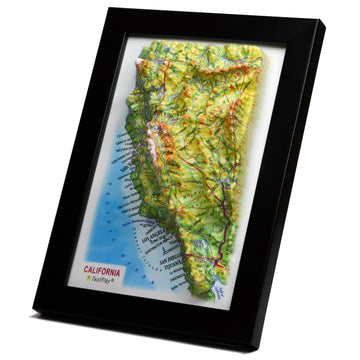
Unlike conventional flat maps, these are thermoformed, meaning a flat sheet of material is heated and molded over a master topographic model.
This process creates a physical, three-dimensional representation of the mountain terrain, allowing you to literally feel the peaks, valleys, and slopes.
This raised relief feature provides a unique tactile experience and offers an unparalleled sense of the vertical scale and complexity of a ski area.
It transforms a map from a purely visual aid into an interactive piece of art.
However, this very tactile nature means the map is likely to be touched, handled, and displayed in ways a traditional map might not be, immediately highlighting the critical need for inherent durability in its construction.
The ability to withstand this interaction without degradation is a cornerstone of the TESTPLAY design philosophy.
Why Durability is Paramount for a Raised Relief Map
The intrinsic nature of a raised relief map places specific demands on its physical resilience.
Unlike a map tucked away in a drawer or framed behind glass, a raised relief map is often a focal point, frequently interacted with.
People naturally want to trace routes, feel the elevation changes, and explore the topography with their fingertips.
This constant handling requires a material and structure that can resist abrasions, fingerprints, and physical stress.
Furthermore, these maps are often displayed as art, meaning they are exposed to ambient light, temperature fluctuations, and potential accidental bumps or splashes.
A flimsy material or easily damaged surface would quickly detract from the map's beauty and purpose.
Durability isn't just a desirable trait for a TESTPLAY map; it's a fundamental requirement born from its unique design and intended use.
It ensures that the map remains a stunning, functional, and enduring piece for years to come.
The Foundation of Strength: Materials Selection
The journey towards creating a highly durable raised relief map begins with the careful selection of base materials.
TESTPLAY understands that the longevity of their maps relies heavily on using substances that are inherently robust, stable, and resistant to common forms of wear and tear.
They don't compromise on quality, opting for materials specifically chosen for their performance in demanding applications.
High-Impact Polymer Base: The Backbone of Durability
At the heart of every TESTPLAY Raised Relief Ski Map lies a specialized, high-impact polymer sheet.
This isn't just any plastic; it's a carefully engineered material selected for its exceptional balance of rigidity and flexibility.
While providing the necessary structure to hold the thermoformed shape accurately, this polymer also possesses a degree of resilience that prevents it from becoming brittle and cracking under minor stress or changes in temperature.
The gauge, or thickness, of the polymer sheet is also crucial.
A substantial thickness adds significant strength and prevents warping or deformation, even when the map is handled or exposed to minor environmental variations.<
br> This polymer base is the primary defense against physical damage, offering resistance to tearing, punctures, and general rough handling that might instantly ruin a paper-based map.
Its inherent properties ensure the map maintains its precise topographical shape and structural integrity over its long lifespan.
Durable, Fade-Resistant Inks: Keeping Colors True
The stunning visual detail on a TESTPLAY map – the trails, lifts, contour lines, and vibrant colors – is applied using specialized, highly durable inks.
Exposure to light, particularly ultraviolet (UV) light, is a primary cause of fading in printed materials.
TESTPLAY utilizes inks formulated with advanced pigments and binders designed to resist UV degradation.
These inks are not merely printed on the surface; they are often applied using techniques that ensure they bond effectively with the polymer substrate.
This strong adherence prevents scratching, flaking, or peeling of the printed image, even with repeated handling of the raised surface.
The result is that the map retains its sharp details and vibrant colors for many years, looking as good as the day it was made, even when displayed in areas that receive natural light.
The aesthetic durability provided by these high-quality inks is just as important as the physical durability of the base material.
Integrated Backing and Structure: Reinforcing Resilience
Depending on the specific design and mounting options, TESTPLAY maps often incorporate a sturdy backing material or a multi-layered structure that further enhances their durability.
This backing provides additional rigidity and protection to the molded polymer.
It acts as a stable foundation, preventing the map from bending or flexing excessively, which could potentially stress the molded shape over time.
This integrated structure ensures that the map remains flat and stable when mounted or displayed.
It also adds weight and substance, giving the map a quality feel that speaks to its robust construction.
The combination of the resilient polymer, the bonded, fade-resistant inks, and any structural backing creates a composite product that is significantly more durable than its individual components might suggest.
This thoughtful layering and material integration is a key aspect of their long-term performance.
Precision and Resilience: The Manufacturing Process
The choice of high-quality materials is only one part of the durability equation; the manufacturing process itself plays a crucial role in transforming these materials into a robust, finished product.
TESTPLAY employs precise techniques and rigorous quality control to ensure that each map is built to last.
The transformation from a flat sheet to a three-dimensional work of art is where the material's potential for durability is fully realized.<
br>
Thermoforming Expertise: Shaping Strength
The core of the TESTPLAY process is thermoforming, a technique that involves heating the high-impact polymer sheet to a pliable state and then using vacuum or pressure to mold it precisely over a master form.
This process requires significant expertise to ensure the material stretches evenly and captures the intricate details of the topography without thinning excessively in certain areas.
The thermoforming process inherently adds rigidity and structure to the flat sheet.
Once cooled, the polymer retains the complex three-dimensional shape, creating a self-supporting structure that is surprisingly strong despite its relatively light weight.
The careful control of temperature, pressure, and cooling time during thermoforming is critical to achieving a consistent and durable final product.
This isn't simply shaping plastic; it's engineering the material's properties to create a lasting form.
Printing Techniques for Longevity: Bonding the Visuals
Applying the detailed map graphics onto the three-dimensional surface presents a unique challenge.
Standard printing methods used for flat paper maps are insufficient.
TESTPLAY utilizes specialized printing techniques designed for thermoformed surfaces, ensuring the ink adheres securely and resists cracking or distortion as the material is molded.
Often, this involves printing *before* or *during* the forming process, or using highly flexible and adhesive inks applied afterward with specialized machinery.
Techniques like UV curing, where the ink is instantly hardened by ultraviolet light, create a highly durable, scratch-resistant surface.
This ensures that the fine lines of trails, the text labels, and the vibrant color gradients remain sharp and intact, even on the raised and contoured areas that are most likely to be touched.
The integration of printing and forming is key to the visual durability of the map.
Quality Control and Testing: Ensuring Every Map Meets the Standard
Durability isn't left to chance; it's built-in and verified through rigorous quality control measures.
TESTPLAY implements strict checks at various stages of the manufacturing process, from inspecting incoming raw materials to examining the final finished product.
Samples are often subjected to various tests to simulate potential stress points and environmental exposures.
These tests might include checks for material thickness consistency, ink adhesion tests (like scratch or rub tests), and visual inspections for any imperfections in the thermoforming or printing that could compromise durability.
By maintaining high standards and performing consistent testing, TESTPLAY ensures that every map leaving their facility meets their strict criteria for quality and long-term resilience.
This commitment to quality control is a promise of durability delivered to the customer.
Design Features Enhancing Robustness
Beyond the fundamental materials and manufacturing processes, specific design choices contribute to the overall robustness of TESTPLAY maps.
These features are subtle but important in ensuring the map withstands the rigors of display and handling over many years.
Every element is considered to add to the product's lifespan.
Substantial Gauge of Material: A Foundation of Strength
As mentioned earlier, the thickness, or gauge, of the polymer sheet is a significant factor in durability.
TESTPLAY opts for a gauge that provides substantial structural integrity without making the map excessively heavy.
This thicker material is less prone to creasing, tearing, or developing stress marks compared to thinner plastics or laminated paper.
It provides a solid foundation for the raised relief, ensuring the topography holds its shape firmly.
The tactile feel of the map also benefits from this substantial material; it feels like a premium, durable product in your hands.
This deliberate choice in material thickness is a primary contributor to the map's ability to resist everyday damage.
Edge Finishing: Preventing Wear and Tear
The edges of any map are often the most vulnerable points for damage, especially with handling.
TESTPLAY pays close attention to how the edges of their maps are finished.
Cleanly cut and sometimes slightly rounded or reinforced edges prevent the layers from separating or the material from snagging and tearing.
While these maps are not typically framed with traditional glass or borders (though custom framing is possible), the inherent finish of the edges protects them from fraying or becoming damaged through contact.
This attention to detail in the finishing process adds another layer of protection, ensuring the map remains aesthetically pleasing and structurally sound from edge to edge.
Durability in Practice: Real-World Benefits
Understanding the materials and processes is important, but the real test of durability lies in how well the map performs in everyday scenarios.
The robust construction of TESTPLAY Raised Relief Ski Maps translates into tangible benefits for the owner.
Their resilience means you can enjoy them fully without constant worry about damage.
Handling and Display: Confidence in Interaction
Perhaps the most immediate benefit of a durable map is the freedom to handle and display it confidently.
You can pick it up, trace routes with your finger, show friends and family the details of the terrain, and move it from one wall to another without the fear of accidentally tearing it or smudging the print.
This tactile freedom is a key part of the raised relief experience, and durability makes it possible.
Whether mounted directly on a wall or placed on a surface, the map's sturdy nature ensures it maintains its form and appearance.
There is no need for delicate handling; it is built to be interacted with, making it a more engaging and enjoyable piece.
Resistance to Environmental Factors: Stability in Your Home
Homes and offices experience natural fluctuations in temperature and humidity.
While extreme conditions should always be avoided, TESTPLAY maps are far more resistant to warping, buckling, or degrading in response to normal environmental changes than paper-based maps.
The stable polymer material does not absorb moisture or expand and contract significantly with temperature shifts.
This resistance ensures the map remains flat and its molded shape intact, preserving its accuracy and appearance over time.
You can display it in various locations within your home, knowing it will maintain its integrity.
Long-Term Aesthetic Integrity: Beauty That Lasts
The combination of fade-resistant inks and a scratch-resistant surface means that the visual appeal of your TESTPLAY map endures.
Colors remain vibrant, details stay sharp, and the surface resists the minor abrasions that can dull the look of other prints.
Fingerprints are easily wiped away, and dust can be safely removed without damaging the print.
This long-term aesthetic integrity ensures that your map remains a beautiful focal point in your space for many years, continuing to evoke memories and inspire future adventures.
It doesn't just last physically; it lasts visually, retaining its original charm.
Shipping and Transit: Arriving in Perfect Condition
The inherent durability of TESTPLAY maps is also a significant advantage during shipping.
Unlike fragile framed artwork or easily creased paper maps, these maps are robust enough to withstand the bumps and handling inherent in transit.
When properly packaged, the likelihood of a TESTPLAY map arriving damaged is significantly reduced.
This provides peace of mind for both the buyer and the seller, ensuring that the beautiful map you order reaches you in the pristine condition it was intended to be seen.
Their resilience makes them ideal for shipping as gifts or to distant locations.<
br>
Protecting Your Investment: Simple Care for Lasting Durability
While TESTPLAY Raised Relief Ski Maps are engineered for exceptional durability, a few simple care practices can help ensure they remain in pristine condition for decades.
Think of it as routine maintenance for your cherished piece of mountain art.
These steps are easy and require minimal effort.
Cleaning Instructions: Keeping Your Map Pristine
Dust is the most common culprit for dulling the appearance of any displayed item.
To clean your TESTPLAY map, simply use a soft, dry, lint-free cloth to gently wipe the surface.
Avoid using harsh chemicals, abrasive cleaners, or excessive moisture, as these could potentially affect the printed surface or the polymer over time.
For any stubborn marks, a slightly damp cloth with plain water can be used very sparingly, followed immediately by drying with a soft cloth.
Always test any cleaning method on an inconspicuous small area first.
Gentle, regular dusting is usually all that is needed to keep your map looking its best.
Recommended Display Environments: Avoiding Extremes
To prevent potential long-term degradation of the colors and material, it is best to display your map away from direct sunlight.
While the inks are fade-resistant, prolonged, intense UV exposure over many years can still have an effect on any material.
Similarly, avoid displaying the map in areas with extreme temperature fluctuations or very high humidity, such as directly above a radiator, near an air conditioning unit's direct blast, or in a constantly damp basement.
Normal indoor environments are perfectly suitable, but consistent exposure to harsh conditions can test the limits of any material over prolonged periods.
Choosing a stable location helps preserve both the physical and visual integrity of the map.
Safe Storage: When Not on Display
If you need to store your TESTPLAY map for any period, ensure it is kept flat and protected.
Avoid rolling or folding it, as this can stress the molded polymer.
Store it in a cool, dry place away from direct light.
Placing a protective sheet of paper or soft fabric over the surface before stacking anything on it (though stacking should be minimized) can prevent scratches.
Proper storage ensures that if you ever decide to display it again years down the line, it will be just as stunning as the day you put it away.
Comparing TESTPLAY Durability to Traditional Maps
To fully appreciate the durability of TESTPLAY Raised Relief Ski Maps, it's helpful to contrast them with other common types of maps and wall art.
The differences in resilience highlight the unique advantages of the materials and processes used by TESTPLAY.
Not all maps are created equal when it comes to standing the test of time and handling.
Paper Maps: Inherently Fragile
Traditional paper maps, while often beautifully printed, are inherently fragile.
They are susceptible to tears, creases, folds, and rips from even minimal handling.
Exposure to moisture will cause them to warp, stain, and potentially disintegrate.
Sunlight will quickly cause the printed inks to fade, especially along fold lines.
Paper can also become brittle with age, making it even more prone to damage.
While inexpensive, their lifespan with regular use or display is limited, often requiring careful lamination to gain even a modest increase in durability.
Laminated Maps: Better, But Still Vulnerable
Laminating a paper map provides a layer of protection against moisture and tearing.
However, laminated maps can still be creased, and these creases can cause the lamination to peel or crack over time, particularly at the edges or corners.
The lamination layer itself can also be scratched, obscuring the details beneath.
While more resistant than plain paper, they lack the structural integrity and three-dimensional resilience of a thermoformed map.
They also cannot replicate the tactile experience of raised relief.
Framed Prints: Protected, But Static and Breakable
Framing a print behind glass offers excellent protection from dust, moisture, and handling.
However, the print itself (often on paper) is still susceptible to fading over time if the glass doesn't offer UV protection.
More importantly, the frame and glass introduce new points of fragility.
The frame can be scratched or dented, and the glass can break, posing a hazard and potentially damaging the artwork.
Framed prints also lack the tactile, three-dimensional aspect of a raised relief map.
A TESTPLAY map offers a different kind of resilience – one that embraces interaction while resisting damage to the core product itself.
The Lasting Value of a Durable Map
Investing in a TESTPLAY Raised Relief Ski Map is not just about acquiring a piece of wall art; it's about owning a lasting tribute to your passion for the mountains.
The exceptional durability of these maps translates directly into long-term value and enjoyment.
They are built not just for display today, but to be cherished for years, potentially even becoming heirloom pieces.
Their ability to resist physical damage and aesthetic degradation means they maintain their beauty and informational value over time.
Unlike items that quickly show wear, a TESTPLAY map retains its quality, making it a source of pleasure and conversation for decades.
This longevity makes them a worthwhile investment, offering a return in terms of enduring beauty and a lasting connection to your favorite places.
Consider the cost per year of enjoyment or display.
A less durable item might need replacing or show significant wear relatively quickly.
A TESTPLAY map, with minimal care, will look spectacular year after year, season after season.
Its resilience ensures it can move with you, survive accidental bumps, and continue to be a vibrant reminder of mountain adventures past and future.
The durability is not just a feature; it's a promise of lasting value and a testament to their quality craftsmanship.
Conclusion: A Map Built for Exploration and Admiration
TESTPLAY Raised Relief Ski Maps are more than just navigational tools or decorative items; they are robust, three-dimensional works of art designed to celebrate the beauty and challenge of mountain landscapes.
Their exceptional durability is not a happy accident but the result of deliberate choices in materials, precision in manufacturing, and thoughtful design.
From the high-impact, thermoformed polymer base and fade-resistant inks to the meticulous finishing and quality control, every aspect of a TESTPLAY map is engineered for longevity.
This inherent resilience means you can confidently handle, display, and interact with your map, bringing the tactile experience of the mountains into your home without fear of easy damage.
They stand up to environmental factors better than traditional maps and maintain their stunning aesthetic appeal for years.
The durability of TESTPLAY maps transforms them from temporary decorations into lasting investments and potential heirlooms, capable of inspiring generations of mountain lovers.
If you seek a piece that captures the spirit of the slopes in a beautiful, accurate, and enduring form, the durability of TESTPLAY Raised Relief Ski Maps makes them an unparalleled choice.
They are built to withstand the test of time, just like the mountains they represent.
Invest in a map that's as resilient as your passion for skiing and the great outdoors.
```